
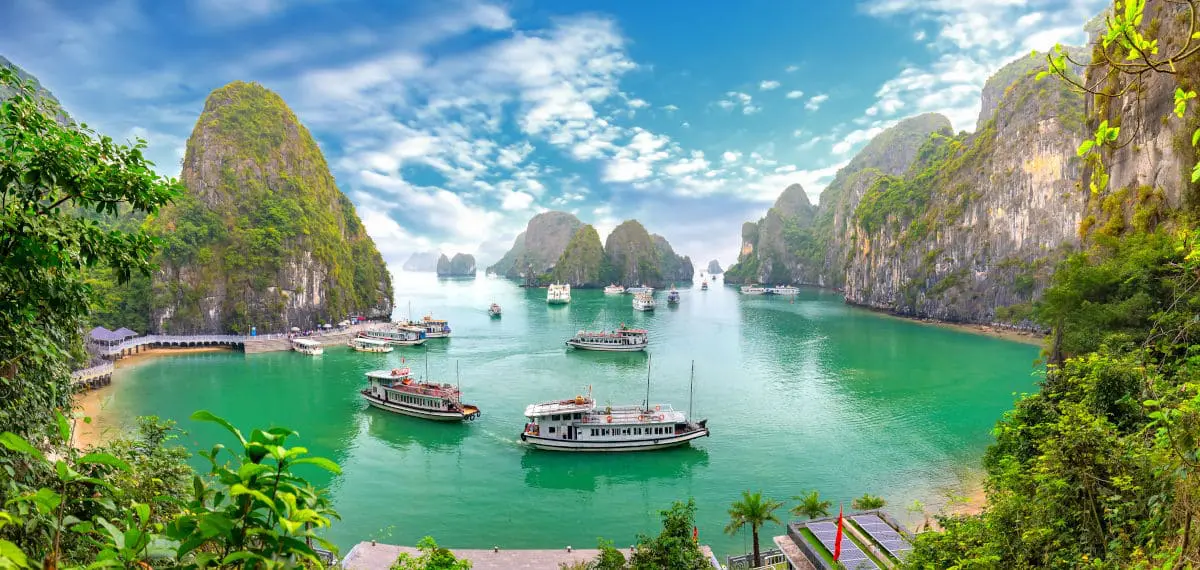
Vietnam is a dream destination for backpackers, offering breathtaking landscapes, rich history, and mouthwatering street food—all at budget-friendly prices. From the bustling streets of Ho Chi Minh City to the serene rice terraces of Sapa, every corner of the country holds a new adventure. However, navigating Vietnam as a first-time traveler can feel overwhelming, especially with cultural differences, transportation quirks, and connectivity concerns. This guide explores essential tips to help first-time backpackers experience Vietnam with confidence.
Understanding Vietnam’s Unique Backpacking Culture
Backpacking in Vietnam isn’t just about visiting tourist hotspots—it’s about immersing in the culture. The country thrives on motorbike travel, bustling night markets, and warm hospitality. While spontaneity is key, understanding local customs—like removing shoes before entering homes or greeting with a smile—can enhance interactions.
Cities like Hanoi and Ho Chi Minh offer lively hostels and vibrant nightlife, while places like Hoi An and Dalat provide a more laid-back atmosphere. Sticking to popular backpacking routes ensures access to budget-friendly stays, travel tips from fellow explorers, and a taste of Vietnam’s legendary hospitality.
Navigating Connectivity and Staying Online
Upon landing, one of the first things travelers realize is that staying connected is essential for navigation, bookings, and translations. Instead of relying on unreliable public Wi-Fi, many opt for a Vietnam travel eSIM to access high-speed data anywhere in the country. With an eSIM, backpackers can avoid the hassle of buying a physical SIM card, making it easier to stay connected when they arrive.
Nomad offers a seamless eSIM experience tailored for travelers, ensuring reliable internet access for maps, translation apps, and keeping in touch with fellow adventurers. Whether navigating winding mountain roads or looking up the best local eateries, having uninterrupted connectivity enhances the travel experience.
Getting Around Like a Local
Vietnam’s transport network is thrilling and chaotic, making it part of the adventure. Sleeper buses and trains are budget-friendly for long distances, while domestic flights save time between major cities. Motorbike rentals are typical in areas like Da Nang and Ha Gian, but require an international driving permit and a keen sense of traffic flow.
In cities, ride-hailing apps make commuting easier, especially for those unfamiliar with local bus routes. Walking remains one of the best ways to explore, particularly in Old Quarter streets filled with hidden cafes and street vendors. Regardless of the mode of transport, staying flexible helps, as unexpected delays or detours are all part of the journey.
Finding the Best Street Food Without the Guesswork
Vietnam’s street food is legendary, but with so many choices, it can be challenging to know where to start. Pho, banh mi, and fresh spring rolls are must-tries, but regional specialties like Hue’s spicy beef noodle soup or Hoi An’s crispy pancakes are worth seeking. The best rule of thumb? Follow the locals. If a stall is packed with Vietnamese customers, it’s a good sign the food is fresh and authentic.
Hygiene is another factor to consider. Opting for vendors who cook food on the spot reduces the chances of stomach troubles. Bringing digestive tablets and starting slow with unfamiliar flavors can also help first-time travelers ease into Vietnam’s bold and diverse cuisine.
Budgeting Smart Without Missing Out
Vietnam is known as a backpacker-friendly destination, but costs can add up if not managed wisely. While street food and hostel stays keep expenses low, activities like Ha Long Bay cruises or adventure tours in Phong Nha can take a chunk of the budget. A mix of free activities—like exploring ancient temples, hiking, or wandering night markets—helps balance spending.
Cash remains the most common payment method, so carrying small denominations is useful. ATMs are widely available, but withdrawing more significant amounts simultaneously reduces transaction fees. Being mindful of spending while allowing occasional splurges—like a countryside homestay or a once-in-a-lifetime experience—creates a balanced and memorable trip.
Respecting Local Customs and Etiquette
Vietnamese culture is deeply rooted in respect, and small gestures go a long way in making positive connections. Learning basic phrases like “Xin chào” (hello) or “Cảm ơn” (thank you) can instantly brighten interactions. Dressing modestly when visiting temples, handling money with both hands and avoiding pointing feet at others are other ways to show cultural awareness.
When it comes to bargaining, a polite and friendly approach works best. Many markets expect some negotiation, but knowing when to accept a fair price rather than pushing too hard fosters goodwill. Understanding and respecting these customs needs to smoother interactions band leaves a lasting impression on the people you meet.
Backpacking through Vietnam is an unforgettable experience that blends adventure, culture, and affordability. Understanding local customs, planning transportation, and staying connected with a reliable eSIM make the journey smoother. Street food exploration, smart budgeting, and choosing the right season to visit all contribute to a hassle-free trip. Respecting cultural etiquette and engaging with locals enhance the travel experience, creating deeper connections. With the right mindset and preparation, first-time backpackers can fully embrace the magic of Vietnam, turning every moment into a story worth telling.
